Request a sample

02 · Our products

Four species, sold
with their paperwork.

Handline and troll-caught, landed on Pemba, frozen the same day. Below is every specification we hold on each species — including the ones that do not flatter us, and the ones we cannot make yet.

Species we supply

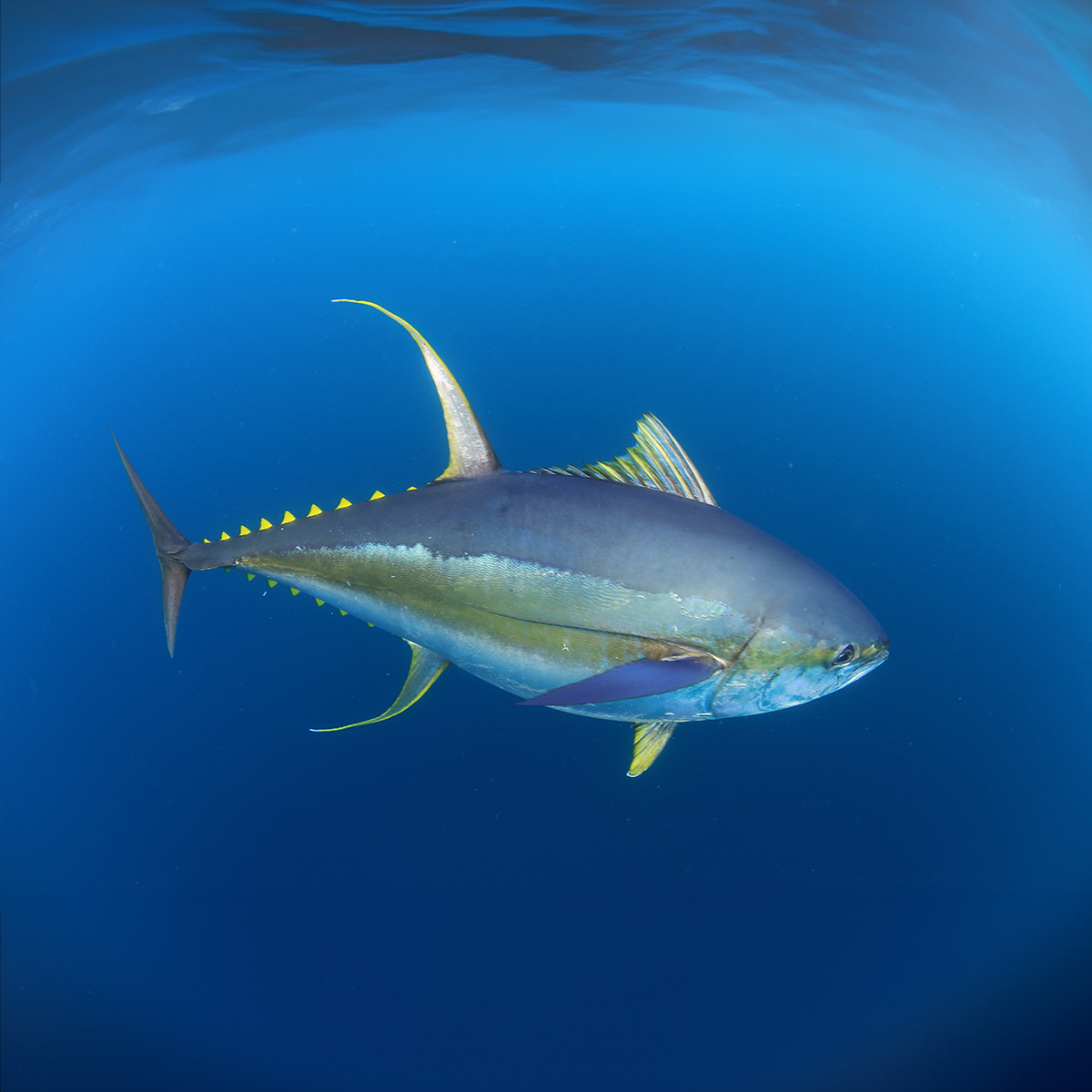
Yellowfin tuna — Thunnus albacares

Yellowfin tuna

Thunnus albacares · Kiswahili: Jodari

Sleek, metallic blue-black back over yellow flanks. Our principal species and the one our handline fleet is built around — sold to mainland Tanzania today, graded to an export specification for tomorrow.

Handline, single hookIOTC 2024: not overfished
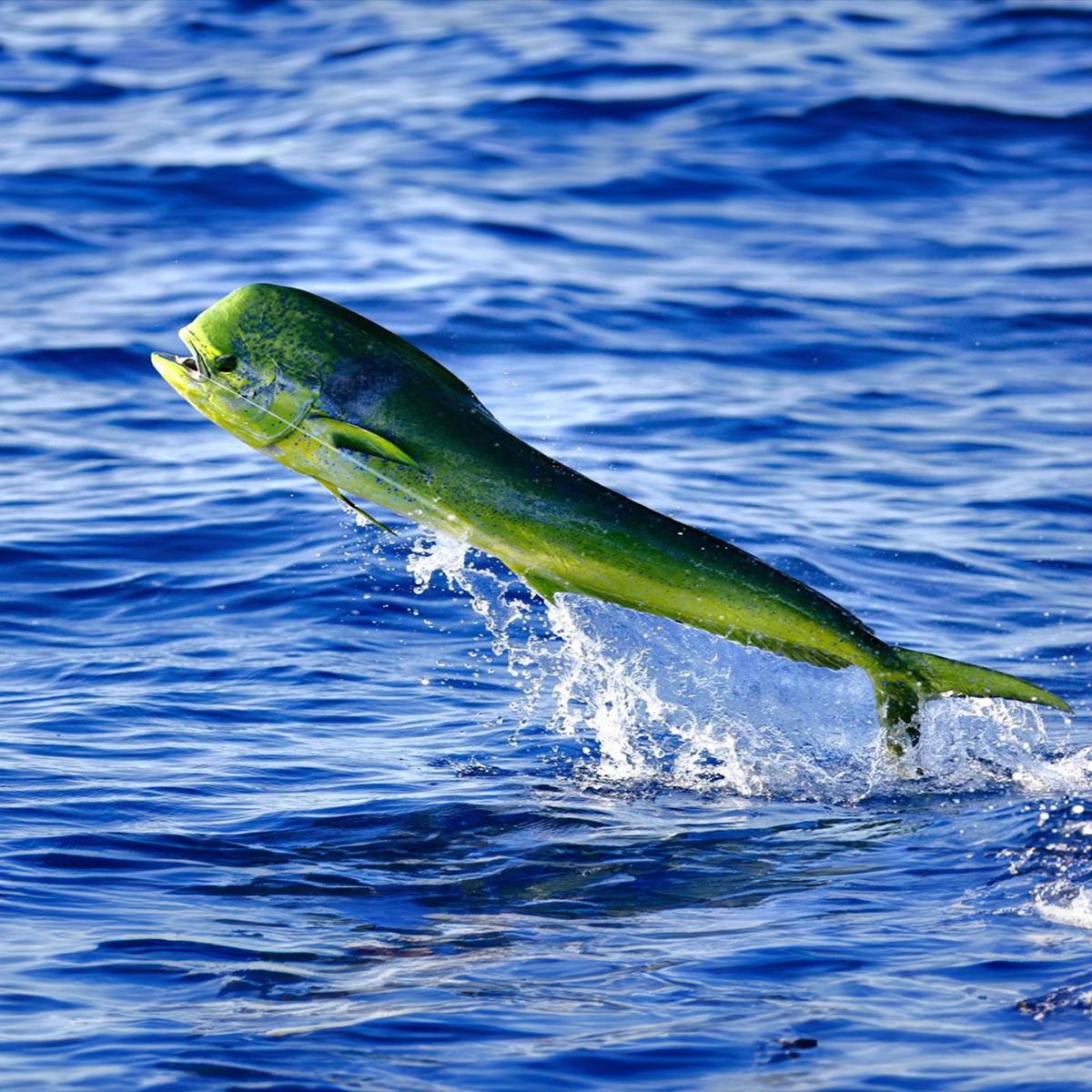
Dorado — Coryphaena hippurus

Dorado

Coryphaena hippurus · Kiswahili: Fulusi

Mahi-mahi. Iridescent blue-green back, golden flanks. A fast-growing species that reaches maturity in four to five months.

Troll line, barblessNo regional stock assessment
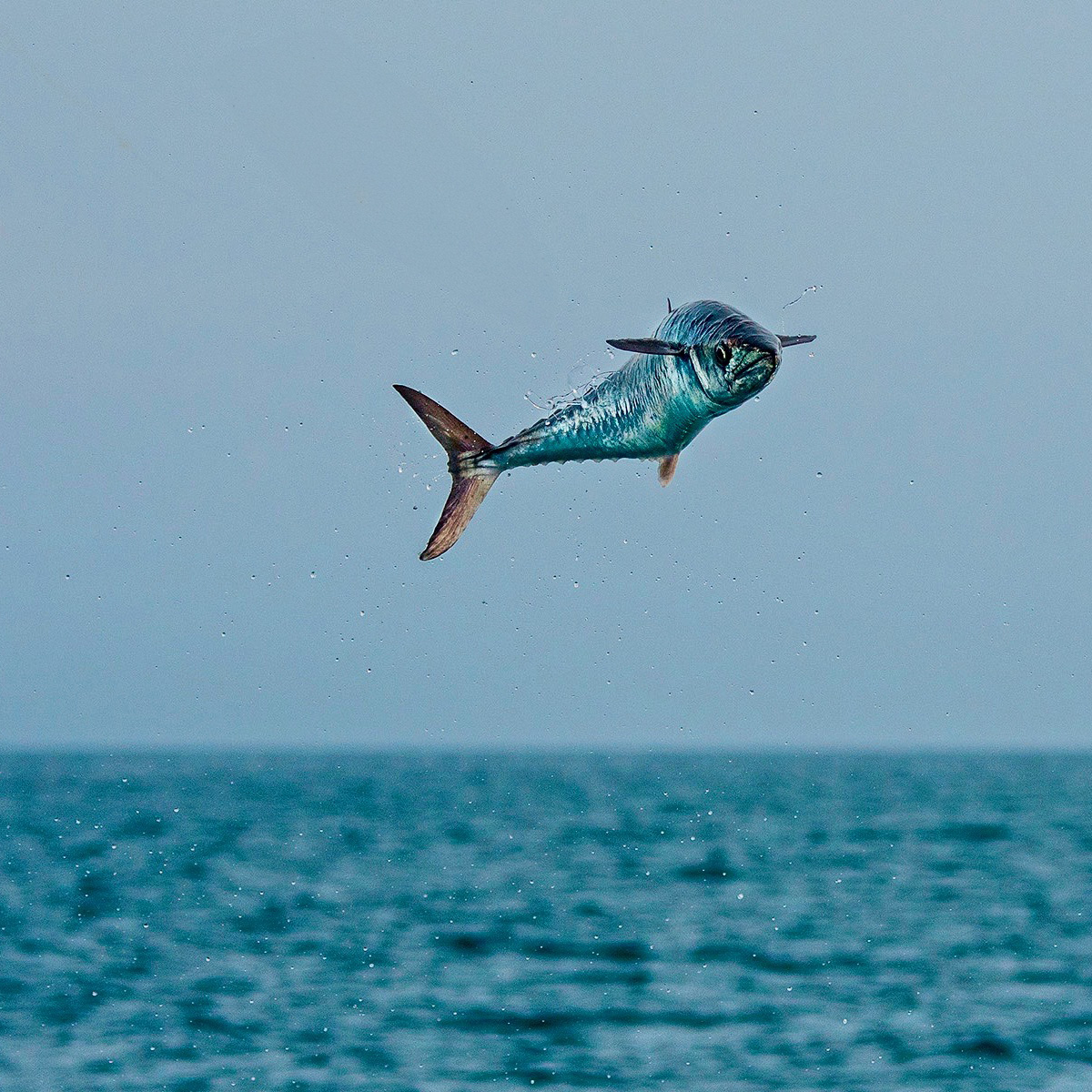
Kingfish — Scomberomorus commerson

Kingfish

Scomberomorus commerson · Kiswahili: Nguru

Narrow-barred Spanish mackerel. Torpedo-bodied, greenish-blue over silver. Firm, dense flesh that holds a steak cut.

Handline, single hookIOTC 2023: overfished
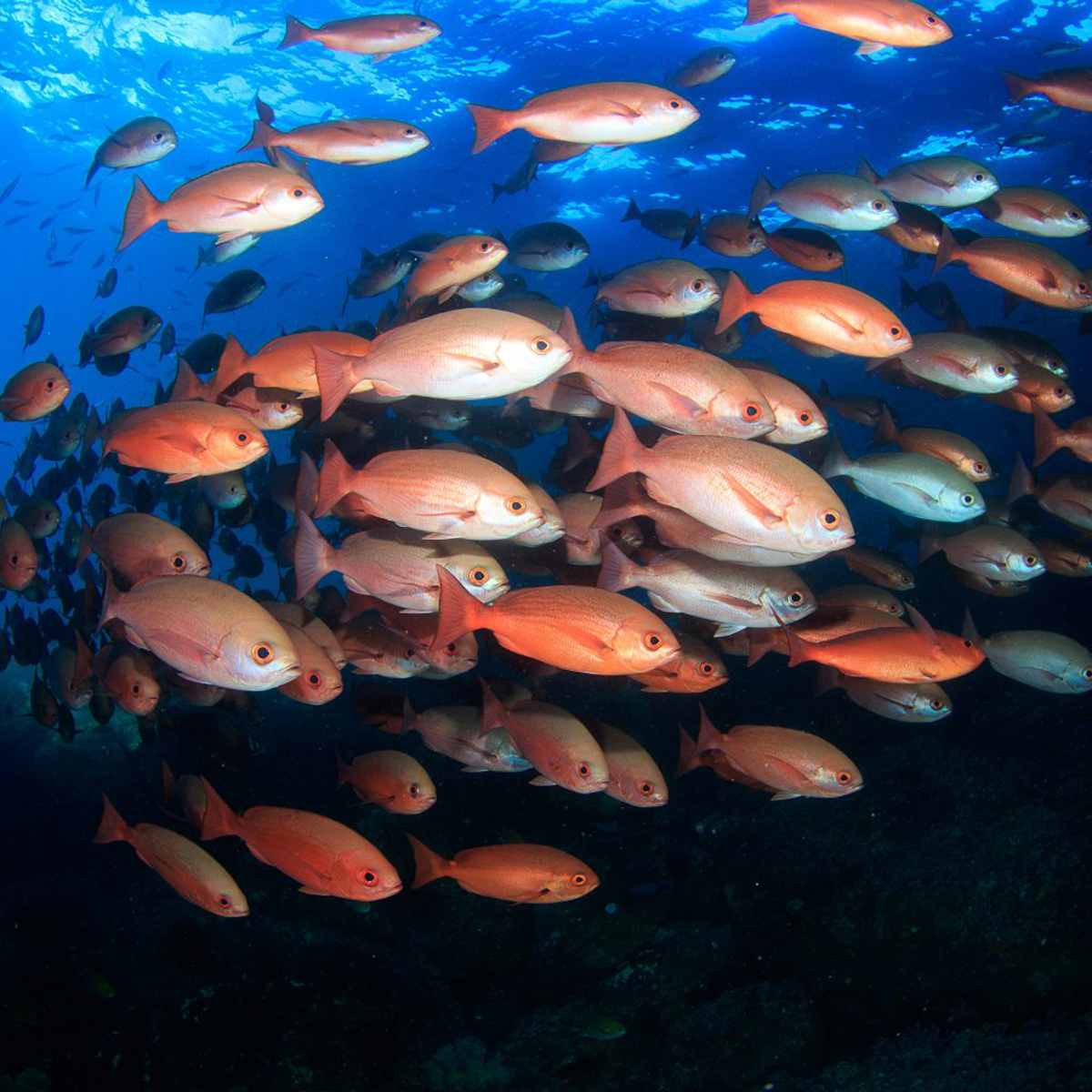
Red snapper — Lutjanus spp.

Red snapper

Lutjanus spp. · Kiswahili: Tembo

Reef-associated snapper from the outer shelf slope. Pale rose flesh, clean flavour. Sold to genus, with DNA confirmation on request.

Handline, single hookNo WIO assessment exists

Specifications

The panel, not the poster.

Borrowed shamelessly from the nutrition label: one fixed format, the same fields for every species, no field left blank because the answer is awkward.

Yellowfin tuna

Thunnus albacares

Kiswahili
Jodari
FAO area
51 — W. Indian Ocean
Origin
Pemba Island, Zanzibar
Gear
Handline, single hook
Whole weight
20–60 kg whole
Grades
Grade 1 sashimi / Grade 2 cooking
Cuts
Whole GG · loins · saku · steaks
Pack
Vacuum packed, glazed; carton format to buyer specification
Frozen
Day of landing
Hold / transit
−30 °C today · −45 °C in the planned facility
Shelf life frozen
Stated per lot on the specification sheet
Stock status
IOTC 2024: not overfished
Every lot is recorded at landing: vessel, skipper, site, date and weight. Carton-level coding is in development.

Dorado

Coryphaena hippurus

Kiswahili
Fulusi
FAO area
51 — W. Indian Ocean
Origin
Pemba Island, Zanzibar
Gear
Troll line, barbless
Whole weight
4–15 kg whole
Grades
Grade 1 fillet / Grade 2 portion
Cuts
Whole GG · skin-on fillet · portions
Pack
Vacuum packed, glazed; carton format to buyer specification
Frozen
Day of landing
Hold / transit
−30 °C today · −45 °C in the planned facility
Shelf life frozen
Stated per lot on the specification sheet
Stock status
No regional stock assessment
Every lot is recorded at landing: vessel, skipper, site, date and weight. Carton-level coding is in development.

Kingfish

Scomberomorus commerson

Kiswahili
Nguru
FAO area
51 — W. Indian Ocean
Origin
Pemba Island, Zanzibar
Gear
Handline, single hook
Whole weight
8–25 kg whole
Grades
Grade 1 steak / Grade 2 cooking
Cuts
Whole GG · steaks · loins
Pack
Vacuum packed, glazed; carton format to buyer specification
Frozen
Day of landing
Hold / transit
−30 °C today · −45 °C in the planned facility
Shelf life frozen
Stated per lot on the specification sheet
Stock status
IOTC 2023: overfished
Every lot is recorded at landing: vessel, skipper, site, date and weight. Carton-level coding is in development.

Red snapper

Lutjanus spp.

Kiswahili
Tembo
FAO area
51 — W. Indian Ocean
Origin
Pemba Island, Zanzibar
Gear
Handline, single hook
Whole weight
2–9 kg whole
Grades
Grade 1 whole / fillet
Cuts
Whole GG · scaled & gutted · fillet
Pack
Vacuum packed, glazed; carton format to buyer specification
Frozen
Day of landing
Hold / transit
−30 °C today · −45 °C in the planned facility
Shelf life frozen
Stated per lot on the specification sheet
Stock status
No WIO assessment exists
Every lot is recorded at landing: vessel, skipper, site, date and weight. Carton-level coding is in development.

Field definitions follow GDST 1.2 key data elements where they apply. Shelf life is stated per lot at the temperature we actually hold, −30 °C, not at the legal minimum. Ask for the specification sheet with tolerance ranges and pack details; microbiological limits will be added to it when the laboratory programme reports, not before.

The grade ladder

What makes a fish
a Grade 1.

Grading in this trade is mostly opinion dressed as a standard. Ours is written down, applied at the landing site by a trained grader, and recorded against the lot — so you can see why a fish was graded the way it was.

Grades are assessed on the whole fish at landing and re-checked after the freeze cycle. A downgrade after freezing is recorded against the lot and shown in the lot record.

Grade 1 — sashimi Highest

Bright translucent flesh with no browning. Firm to thumb pressure with immediate recovery. Clear convex eye, red gill, no belly burn, no gaping, no hook damage to the loin. Frozen the day of landing and held at −30 °C.

Tuna additionally, once the laboratory programme runs: fat content measured and recorded; pH between 5.8 and 6.2; histamine below 5 mg/kg on the batch sample. Until then Grade 1 tuna is graded on the visual and handling checks above, and the specification sheet says so.

Grade 2 — cooking Standard

Sound fish with minor cosmetic defects: slight colour variation, minor gaping, or hook damage outside the primary loin. Full cold chain and full traceability, identical handling — the difference is appearance, not safety or provenance.

Downgraded — recorded, not hidden Logged

Any fish that fails a Grade 1 check after freezing is downgraded and the reason is written into the lot record. It does not quietly become Grade 1 in a different carton. If you buy Grade 1 from us and a lot was downgraded, you will see it.

Rejected — off the line Excluded

Fish showing decomposition, a broken cold chain, undersized specimens, or any species we do not buy — and, once batch testing runs, histamine above the limit. Rejected fish are recorded against the landing, not silently dropped from the ledger — a ledger that only contains successes is not a ledger.

Landings mix

One mark, one landing.

Every mark below is a single fish in our landings ledger, coloured by the gear that caught it. Not a bar chart — you can count them, and the count is real.

Handline · 5 Troll line · 2 Rejected at grading · 0

Live count from our landings ledger: 7 fish recorded to date. Rejections are shown as their own colour the moment we record one — a landings chart with no rejections should make a buyer suspicious, so we would rather show an honest zero than leave the row out.

Specification sheets and
price lists on request.

Tell us the species, the cut, the volume and the market you are importing into, and we will send the full spec pack with the documentation that market requires.